


If you’re thinking about buying a piano, you may also be wondering: Is it really a good investment?
The short answer is yes – a piano can absolutely be a worthwhile investment. But as with any major purchase, it depends on the choices you make. A piano brings both financial and personal returns, and in this guide, we’ll explore the factors that help ensure your piano investment is the right one.
What Does “Investment” Mean When Buying a Piano?
When we talk about a piano as an investment, there are two sides to consider:
1. Practical value – Will the instrument hold or increase its value over time? What role do craftsmanship, brand, and condition play?
2. Personal value – Is this the right piano for you, one that inspires you daily and lasts for generations?
Both are equally important in shaping your piano journey.
The Practical Side of Piano Investment
- Where and How the Piano is Made
The origin of a piano matters greatly. Handcrafted European pianos are often made from carefully selected spruce and hardwoods, harvested and aged to enhance sound quality and durability. They also benefit from centuries of piano-making expertise. By contrast, mass-produced pianos—often built in the Far East—can be more affordable, but they don’t usually hold their value in the same way. If you’re looking at pianos as a long-term investment, craftsmanship and provenance should be at the top of your list.
- New vs Pre-owned Pianos
Both new and pre-owned pianos can be smart investments. A new piano provides immediate enjoyment but typically takes time to appreciate financially. A pre-owned piano, however, can offer excellent value if you pay attention to:
- Age & condition – Has the piano been well cared for?
- Provenance – Who has owned, played, or maintained it? Some pianos with unique histories carry special appeal.
This is where expert advice is essential, as certain years and models from the best piano brands are more desirable than others.
- The Importance of Brand
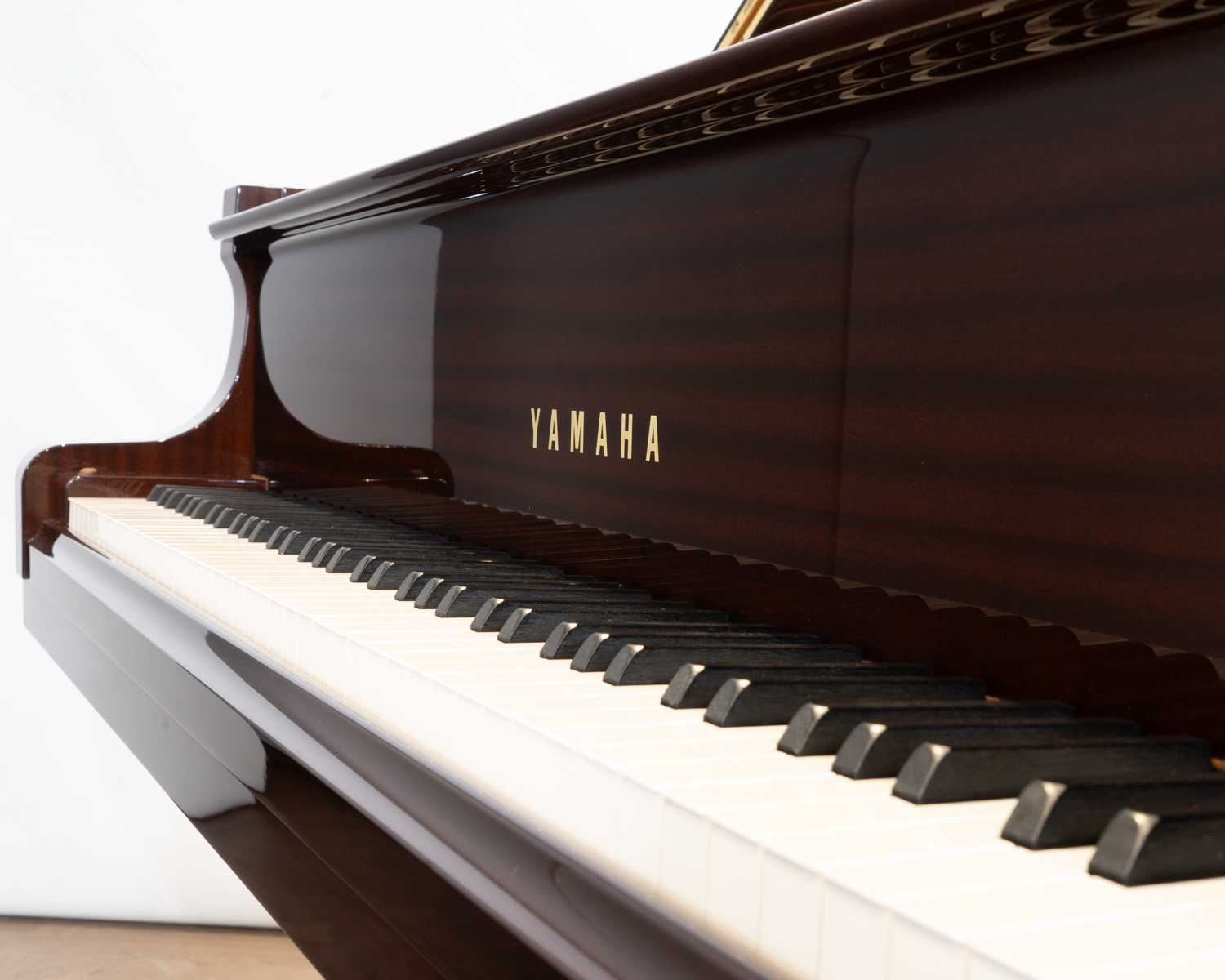
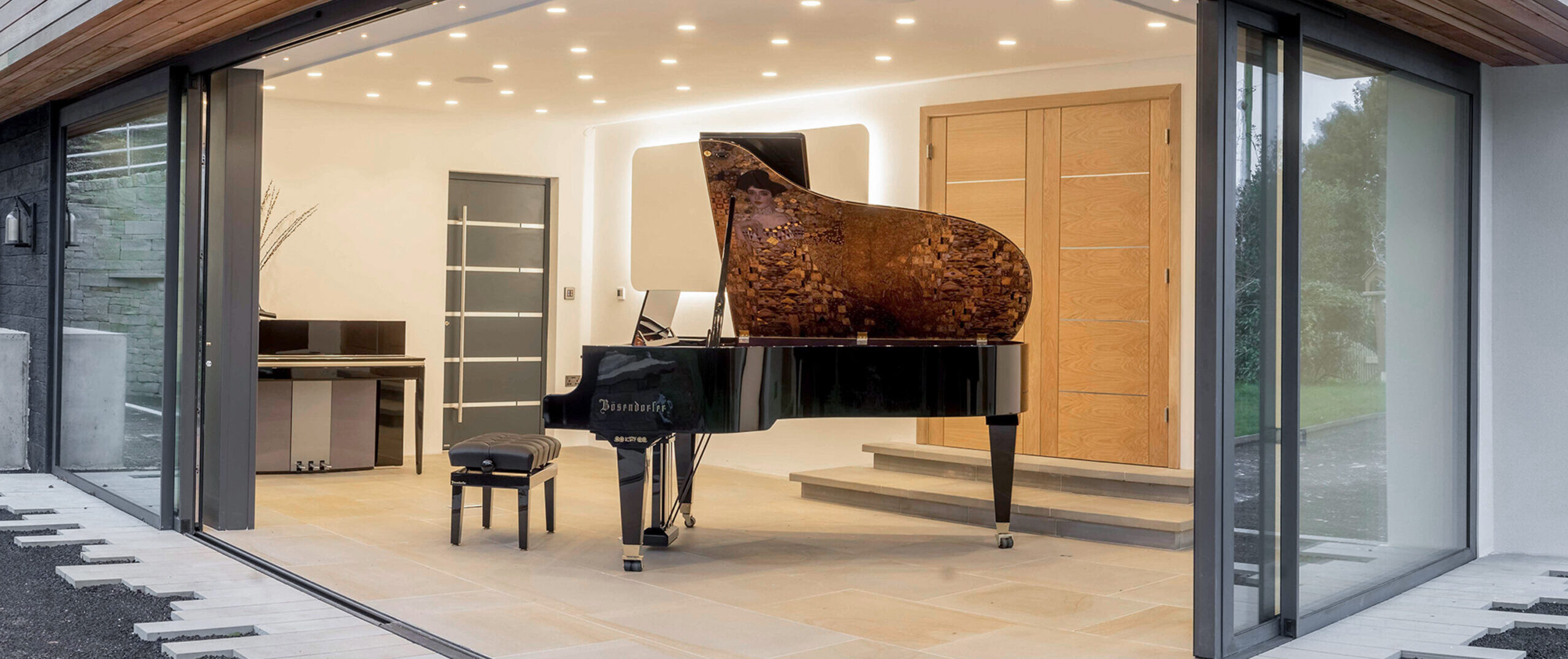
The brand behind your piano is a powerful factor in its long-term value. Well-known names such as Steinway & Sons, Bösendorfer, Yamaha, and Sauter are highly respected worldwide, making them strong choices for investment. Smaller makers producing only a few hundred pianos per year also tend to hold value exceptionally well due to rarity and exclusivity. By contrast, brands that manufacture thousands of pianos annually may not perform as strongly in terms of value retention.
- Rarity and Limited Editions
Some of the best piano investments come in the form of rare or limited-edition instruments. These are often highly sought after, not only for their craftsmanship but also for their exclusivity. For many families, such a piano becomes a cherished heirloom, passed from one generation to the next.
The Personal Side of Piano Investment
Beyond financial considerations, the most important return is the joy your piano brings. A piano that feels right under your hands and inspires you to play every day is an investment in your quality of life. High-quality instruments last for decades, often becoming part of the family legacy. As one saying goes, ‘stretch for the best piano you can afford today—you may never get the chance again.’
Finding the Right Piano in the UK
At Coach House Pianos, we believe that choosing the right piano is both a financial and personal investment. With more than 40 years of expertise and one of the largest selections of world-leading piano brands in the UK, we can help guide you through every stage of your decision. Whether you’re considering a Steinway, Bösendorfer, Yamaha, Sauter, or another distinguished maker, visiting our showrooms in Swansea or London allows you to explore the instruments, compare models, and receive expert advice tailored to your needs.
Invest in Your Future
A piano is more than an instrument—it’s a lifelong companion and a legacy for generations to come. With careful consideration of craftsmanship, brand, and personal connection, your piano can be one of the most rewarding investments you’ll ever make.