
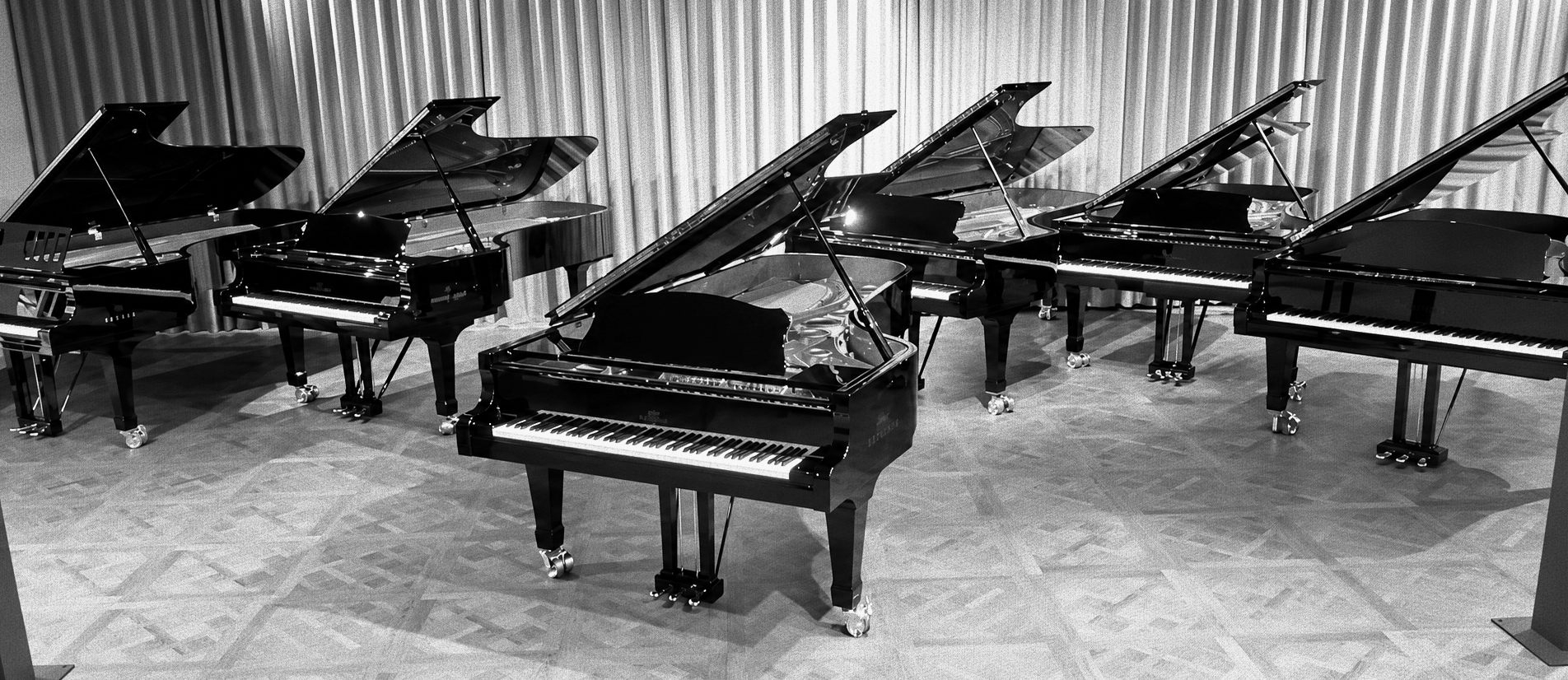
Few pianists, technicians or piano enthusiasts have ever had the opportunity to experience multiple world-class concert grand pianos side by side.
Yet one question keeps coming up among pianists, institutions, and those considering a fine piano: Which piano brand is best?
There is no universal answer. At this level of piano making, the differences are less about whether an instrument is good or bad and more about musical priorities. Tone, touch, projection, dynamic range and the relationship between pianist and instrument can vary considerably from one manufacturer to another. The piano that feels entirely natural to one performer may not be the instrument another would choose.
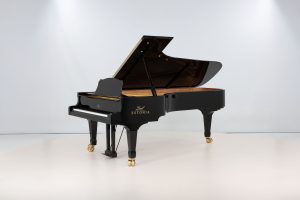
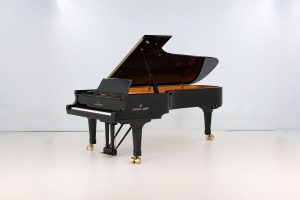
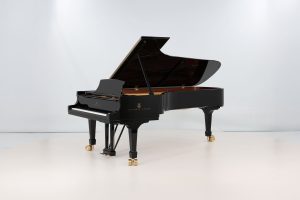
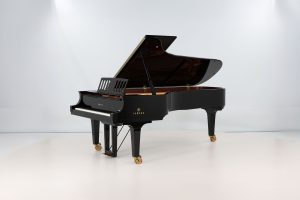
In October 2025, at Coach House Pianos, we were fortunate enough to bring together six of the world’s leading concert grands under one roof, creating an unusually rare opportunity to explore those differences within the same environment.
The instruments featured in this series are:
- Bösendorfer 280VC
- Laul Estonia 274
- Fazioli F278
- Shigeru Kawai SK-EX
- Steinway & Sons Model D
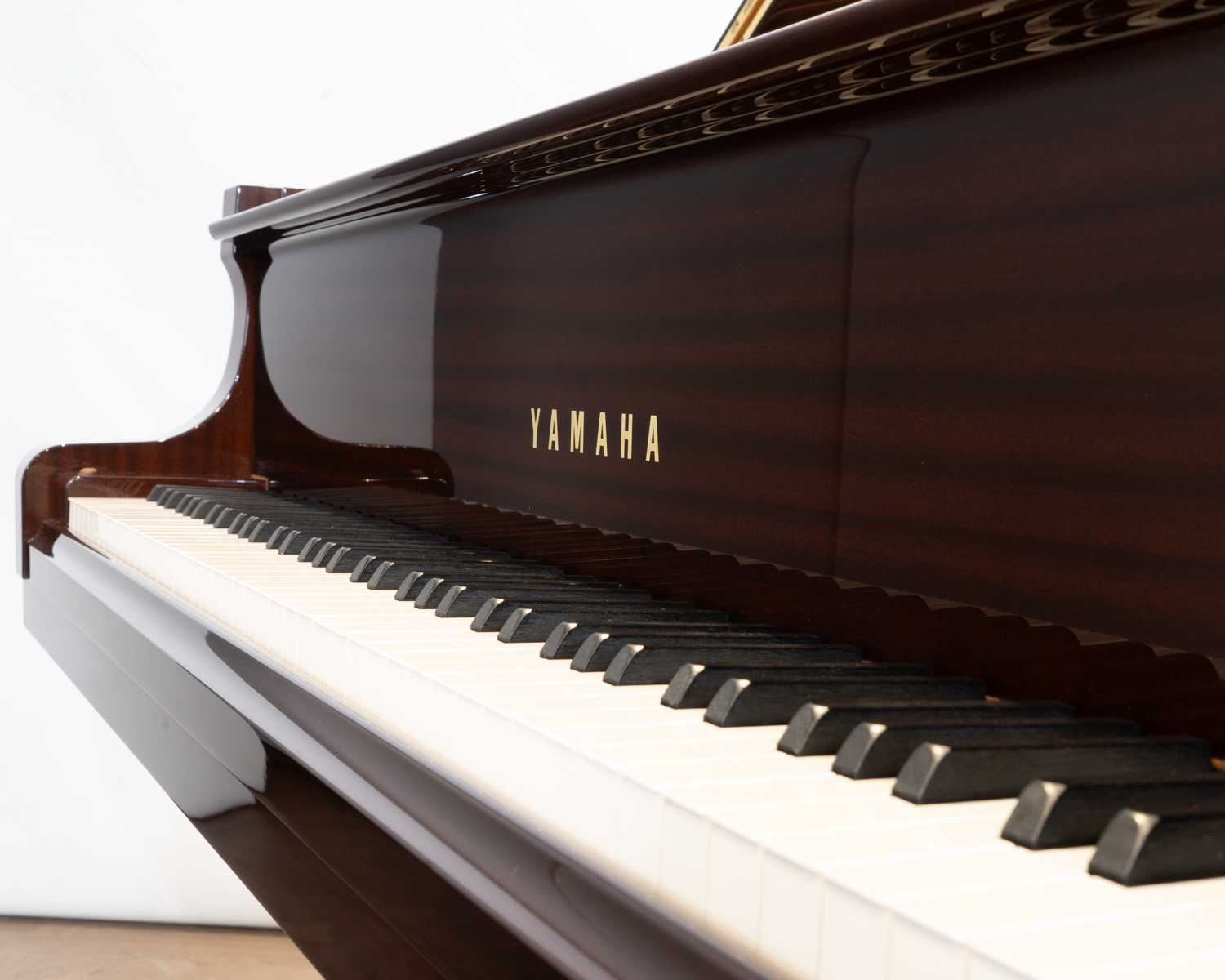
- Yamaha CFX
Each of these pianos represents one of its manufacturer’s leading full-size concert instruments, designed to meet the demands of professional performance. These instruments can be found in leading concert halls, conservatoires, performance venues and, in some cases, substantial private residences around the world.
Although they occupy the same broad category, each maker approaches concert piano design from a different musical and technical perspective, resulting in remarkably different musical experiences.
Six Pianos, One Environment
Comparing concert grand pianos isn’t straightforward.
Even when comparing instruments from the same manufacturer, differences in age, preparation, environment and condition can significantly influence the outcome. To make the differences between the instruments easier to appreciate, we kept the principal variables as consistent as possible.
All six pianos were either brand new or nearly new, giving us a broadly consistent starting point in terms of age and condition. The same pianist performed the same piece of music on every instrument, in the same room and under the same recording conditions. This allows listeners to concentrate on the character of each piano rather than the variations in repertoire, interpretation or acoustics.
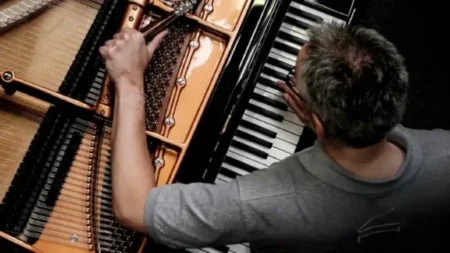
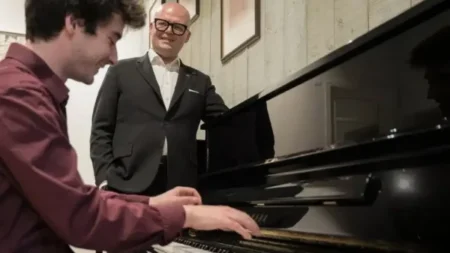
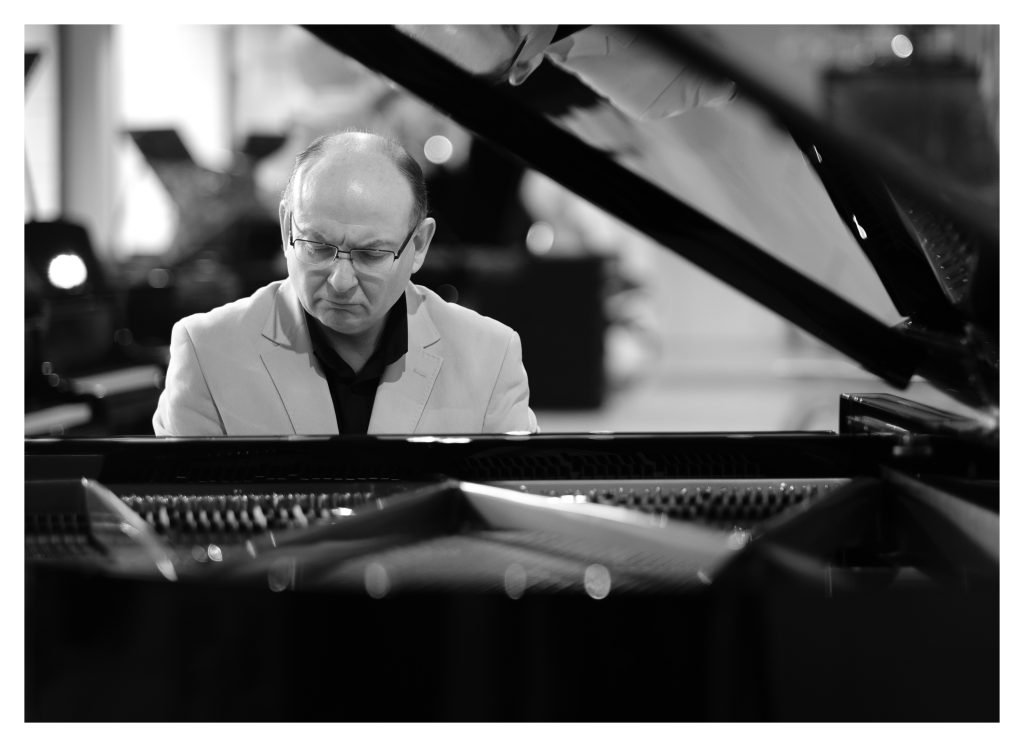
Likewise, the same technician also prepared and regulated each instrument. Our pianist-in-residence and piano historian, Gary Branch, then spent time playing each instrument and sharing his personal observations on the tone, touch and musical character.
Is there a ‘Best’ Concert Grand Piano?
One of the most fascinating aspects of bringing these instruments together was discovering just how differently manufacturers interpret the correct grand piano.
At this level, the question is rarely whether an instrument is capable. Each is designed to satisfy the considerable demands of professional performance. The differences lie in how they achieve it.
Some instruments place greater emphasis on warmth and tonal colour. Others present exceptional clarity, projection or dynamic power. One pianist may value a highly responsive action, while another prefers greater resistance beneath the fingers. Singing sustain, articulation, bass depth and treble brilliance can all influence the relationship between performer and instrument.
This is why there is no universally “Best” concert grand piano.
Repertoire matters. The acoustics of the room matter. So does the individual pianist’s touch, technique and idea of sound. Even amongst the world’s leading concert instruments, personal preference remains fundamental. This helps explain why leading concert artists often develop strong preferences for particular makers or instruments.
The purpose of this series is therefore not to rank the pianos or declare a winner. It is to explore what makes each instrument distinctive and give pianists a clearer understanding of the characteristics they may wish to consider when choosing a piano.
Explore the Six Concert Grands
Alongside this overview, we have individual videos and blogs dedicated to each of the six concert grand pianos mentioned above.
- Bösendorfer 280VC – Explore its Viennese heritage, dynamic expression and modern concert engineering
- Laul Estonia 274 – Discover its warm, singing tone and distinctive musical philosophy
- Fazioli F278 – Explore Italian innovation, brilliance and purity of sound
- Shigeru Kawai SK-EX – Explore Japanese craftsmanship, responsiveness and tonal refinement
- Steinway & Sons Model D – Discover one of the most established concert grand designs in the world
- Yamaha CFX – Explore Yamaha’s approach to power, clarity and modern concert performance
These reviews explore the design philosophy, tonal character, touch engineering and musical personality of the instrument, offering a deeper understanding of what sets these concert grands apart.
Experience Concert Grand Pianos at Coach House Pianos
One of the greatest advantages when choosing a fine piano is the opportunity to experience different makers in the same environment.
At Coach House Pianos, we are privileged to have an extensive collection that regularly brings together instruments from many of the world’s leading piano manufacturers.
While assembling all six concert grands together for this series was an exceptional occasion, our London and Swansea showrooms continue to offer opportunities to experience outstanding instruments from across the piano-making world.
If you are considering a concert grand or another fine piano, we would be delighted to arrange an appointment and give you the time and space to explore the instruments and discover which qualities matter most to you.
of the UK’s leading piano specialists, Coach House Pianos is privileged to feature many of the world’s finest piano manufacturers in our collection, including Steinway & Sons, Bösendorfer, Sauter Wilh. Steinberg, Kawai and Yamaha, to name a few.
Arrange a private appointment and discover the unique character of some of the world’s finest pianos all under one roof.